When it comes to choosing the right tire, the options can feel overwhelming. Even tires in the same all-season category can perform quite differently depending on your driving needs. The Michelin CrossClimate2 and Defender2 are both high-quality all-season tires, but each has distinct strengths. In this article, we’ll explore performance, price differences, and methodology to help you make an informed decision.
The Stats Tell a Story
Numbers can reveal a lot about tire performance. The Defender2 boasts a higher treadwear rating of 840 compared to the CrossClimate2’s 640. In practical terms, this means the Defender2 is designed to last longer, reflected in its 80,000-mile warranty versus the CrossClimate2’s 60,000 miles. That said, the CrossClimate2 isn’t just about tread life. It carries the 3PMSF (Three Peak Mountain Snowflake) rating, which means it’s tested for snow and icy conditions. If you live in a snowy area, this makes the CrossClimate2 a surprisingly practical choice. On the other hand, the Defender2 is better suited for mild all-season driving where extreme winter performance isn’t a priority.
Is There a Difference in Performance or Price?
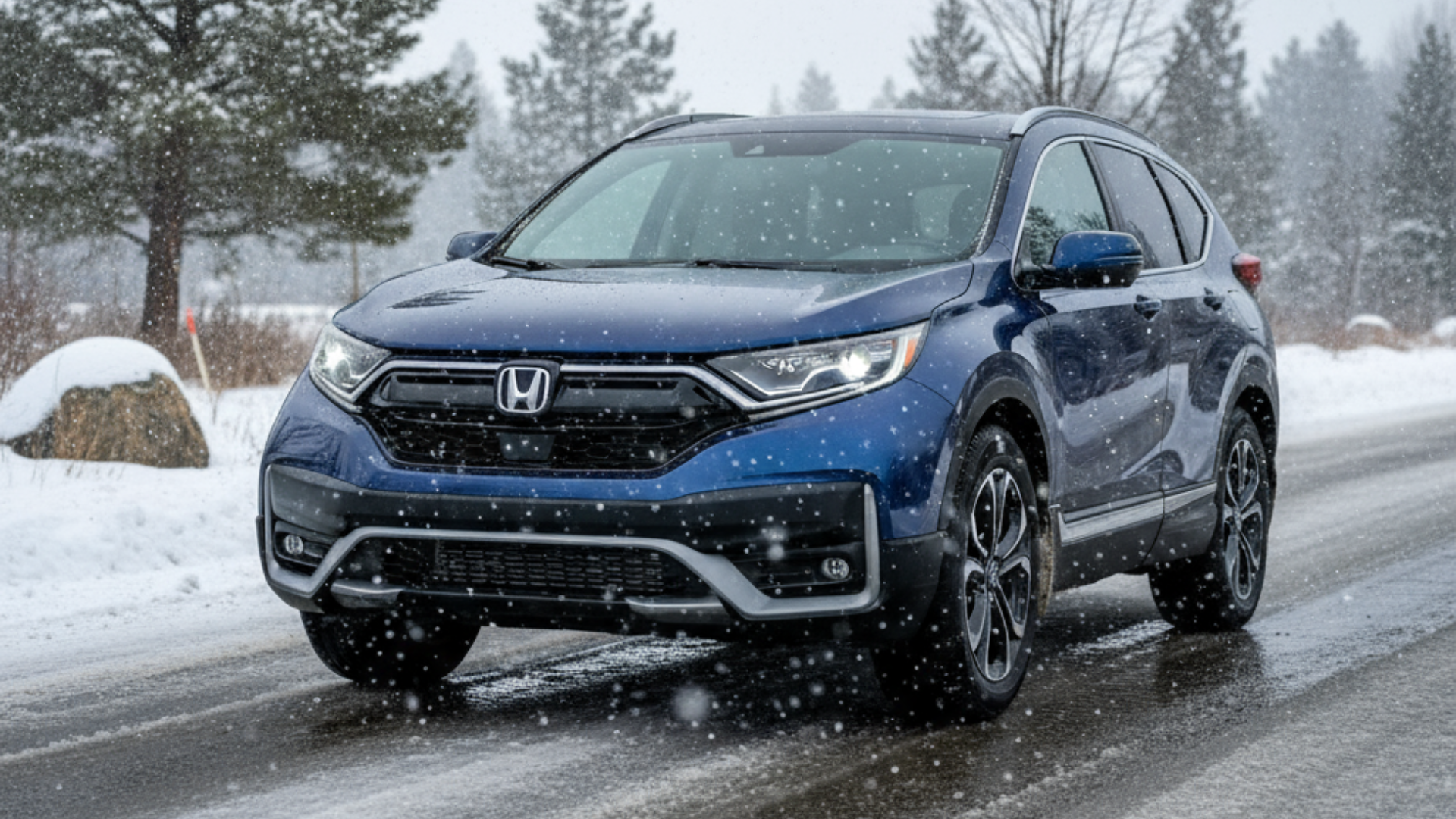
In my experience, tire performance is often linked to price, though the correlation isn’t always straightforward. For example, a Honda CR-V Sport Touring Hybrid with 235/55R19 tires shows the following price comparison: Defender2 costs around $254 per tire, totaling roughly $1,016 for a full set of four, while CrossClimate2 is about $295 per tire, totaling $1,180 for four. The Defender2 is easier on the wallet and offers longer tread life, whereas the CrossClimate2 excels in wet and snowy conditions. On the flip side, if your driving rarely involves snow, the Defender2 could be the smarter investment for general-purpose driving.
Methodology: How to Choose the Right Tire
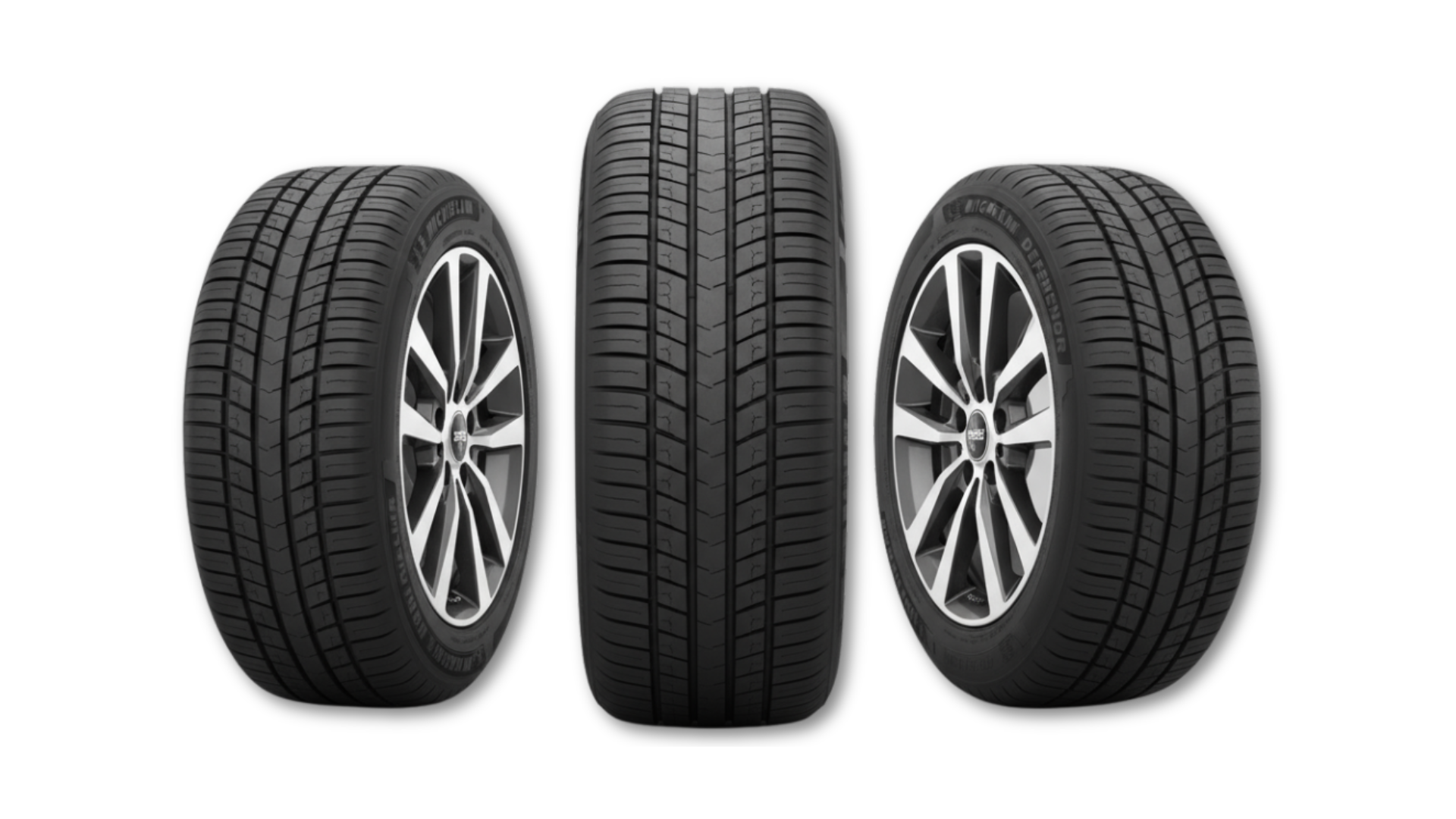
Choosing the right tire isn’t just about numbers. Consider questions like: How often do you drive in snow or wet conditions? What’s your budget for tires? Do you prioritize long-term durability over specialized performance? Both tires are highly rated, but personal testing and user reviews reveal subtle differences. The Defender2 is durable and cost-effective for most drivers, while the CrossClimate2 provides extra confidence in snow and wet weather. Micro-details such as tread grip, braking response, and noise levels can make a real-world difference that isn’t always obvious from specs alone.
Here’s a real-world example: I drove a CrossClimate2-equipped SUV through a sudden winter storm in Atlanta. The stopping distance and grip felt noticeably better compared to a friend’s SUV with Defender2 tires. It wasn’t a dramatic difference, but in tricky conditions, every little bit helps. Observations like tire bite and wet-road confidence are often overlooked but can make your driving experience safer and more comfortable.
Both Michelin CrossClimate2 and Defender2 tires are excellent choices. Your decision ultimately depends on driving conditions and budget. The Defender2 stands out for long-term durability and cost-effectiveness, while the CrossClimate2 shines in snowy or wet conditions. For drivers in regions with harsh winters, the CrossClimate2 may be worth the extra investment, while the Defender2 is ideal for general, all-season use.
If you enjoyed this guide and want more expert auto insights, subscribe to our newsletter for the latest tire reviews, car tips, and buying advice.
FAQs
1. Which tire lasts longer, CrossClimate2 or Defender2?
The stats tell a story: Defender2 has a higher treadwear rating (840 vs 640) and an 80,000-mile warranty, making it longer-lasting.
2. Is there a difference in performance in snow?
Yes, CrossClimate2 has the 3PMSF rating for snow, while Defender2 is better for mild all-season conditions.
3. How much does a set of each tire cost?
Defender2 costs about $1,016 for four tires, and CrossClimate2 costs around $1,180 for a set of four (for 235/55R19 tires).
4. What’s the best way to choose between them?
Consider driving conditions, budget, and durability. Methodology involves combining stats, personal testing, and warranty factors.
5. Are both tires safe for regular all-season driving?
Absolutely. Both are high-quality Michelin all-season tires, with main differences in snow and wet-road performance.